






GamblersArea Goes to Minnesota - Tribal Casinos & Pending Changes
Minnesota runs one of America's oldest tribal gaming markets, yet sports betting and online casinos are still stuck at the Capitol.

Minnesota is a state where gambling is everywhere and nowhere at once. You can play blackjack at a tribal casino, peel open pull-tabs at the corner bar, and grab a Powerball ticket at the gas station, but you cannot legally bet on a Vikings game.
That gap defines the gambling laws Minnesota residents live with in 2026. Tribal nations keep firm control of casino-style gaming, while lawmakers keep stalling on sports wagering.
Minnesota Gambling Laws (2026): The Quick Snapshot
- Legal: Tribal casinos (slots and blackjack), charitable gambling including paper and electronic pull-tabs and bingo, the Minnesota State Lottery, pari-mutuel horse racing, and two racetrack card clubs. Sports betting, online casinos, and online poker are not legal.
- Model: Tribal-exclusive casino gaming under perpetual compacts, alongside a state-run lottery and charity-run gaming.
- Structure: 11 tribal nations operate 20 casinos under 22 tribal-state compacts, with no commercial casinos.
- Key Regulator: The Alcohol and Gambling Enforcement Division (Department of Public Safety) oversees the compacts, the Gambling Control Board regulates charitable gambling, and the Minnesota Racing Commission covers tracks and card clubs.
- Age Requirement: 18+ for the lottery, pull-tabs, and pari-mutuel wagering; tribal casinos set their own minimum age.

Sports Betting Legislation MN: Close Calls and Cold Feet
Since the 2018 Supreme Court ruling, Minnesota has watched legal online gambling across the USA spread from the sidelines. Lawmakers have introduced bill after bill, but none has ever cleared both chambers.
The closest call came in 2024, when a bipartisan deal surfaced late in the session but lawmakers adjourned before a vote. In 2025, the bill died in the Senate Taxes Committee after pushback from a trio of skeptical senators.
The 2026 attempt, Senate File 4139, proposed wagering run through the 11 tribal nations, with a 22% tax on sports betting revenue. It stalled early, and the session adjourned on May 18, 2026, without either chamber passing a bill.
The sticking points rarely change. Tribes want exclusivity, the racetracks want a bigger share, and skeptics keep pressing for tougher consumer protections.

MN Tribal Gaming: The 1989 Deal That Built a Casino Empire
Minnesota has no commercial casinos, which leaves MN tribal gaming as the backbone of the state's casino scene. In 1989, the state became the first in the nation to sign Class III compacts under the federal Indian Gaming Regulatory Act.
Those agreements limit tribal casinos to video games of chance (slots) and blackjack, and they carry no expiration date. They also require no revenue sharing beyond modest regulatory costs, making them some of the most tribe-friendly compacts in the country.
Charitable gambling fills the gap outside tribal land, with licensed charities selling paper and electronic pull-tabs and bingo in bars and restaurants. Electronic pull-tabs arrived in 2012 to help cover the state's share of the Vikings stadium.
After a slow first year, e-pull-tabs helped grow charitable gambling into a nearly $2 billion industry by 2018. The state's two racetracks, Canterbury Park and Running Aces, add live racing and card clubs.
A 2024 law banned historical horse racing machines at both tracks, overturning a Racing Commission approval from weeks earlier. The timeline below shows how Minnesota's gambling map took shape.
Quick History of Nebraska Gambling |
|---|
| Year | Milestone | Why It Mattered |
|---|
|
1988 |
Voters approve a lottery amendment |
Opened the door to state-run games |
|
1989 |
First tribal-state Class III compacts signed |
Made Minnesota the national pioneer |
|
1990 |
Minnesota State Lottery sells its first tickets |
Created a lasting funding stream |
|
2012 |
Electronic pull-tabs launch |
Helped fund the Vikings stadium |
|
2024 |
Historical horse racing banned at tracks |
Kept slot-style games tribal-only |
|
2026 |
Prediction market ban signed, then blocked |
Sparked a federal-state legal clash |
Online Casinos, the Lottery and the Sweepstakes Grey Zone
There is no online casino gambling in Minnesota, and recent expansion debates have centered on sports wagering rather than iGaming. Real-money online poker is equally off the table.
The Minnesota State Lottery is the main legal gambling product outside tribal land and charity halls. Voters approved it in 1988, and ticket sales began on April 17, 1990.
The constitution dedicates 40% of net lottery proceeds to an environment and natural resources trust fund. Online sweepstakes casinos, meanwhile, remain a grey area after a 2026 ban proposal failed to advance.
Lawmakers moved much faster on prediction markets. Governor Tim Walz signed a first-in-the-nation ban in May 2026, making it a felony to host or advertise platforms like Kalshi and Polymarket.
The CFTC, Kalshi, and Polymarket sued, and on July 27, 2026, a federal judge blocked the law before its August 1 start date. The court found it likely preempted by federal law, though the judge warned the final order may be much narrower.


How Minnesota Stacks Up Against Its Neighbors
Every state bordering Minnesota offers some form of legal sports betting, leaving the North Star State in an awkward spot. Iowa runs statewide mobile wagering, South Dakota allows retail betting, and the other two neighbors lean on tribal models.
Wisconsin's tribal-run gambling market took a major step in April 2026 when Governor Tony Evers signed Assembly Bill 601. The law legalizes online sports betting with servers on tribal land, but new compact deals with the state's 11 tribes must come first.
North Dakota's tribal casinos already take in-person sports bets, with mobile wagering allowed only within reservation boundaries. Lawmakers there rejected a 2026 ballot question on statewide betting, pushing any change to 2028 at the earliest.
Neither neighbor offers legal online casinos, so Minnesota is not alone on iGaming. On sports betting, though, it is now the clear Upper Midwest holdout.

What's Next for Gambling in Minnesota
The next legislative session opens in early 2027, and sports betting and a sweepstakes ban are both expected to return. Any bill that passes will likely follow the tribal-led model floated since 2023, with mobile apps tied to tribal licenses.
Even with a 2027 win, building regulations and compact terms would take time. Meanwhile, the prediction market fight continues in federal court, and Minnesota remains a tribal casino state where online gambling stays off the table.
Latest news
Minnesota runs one of America's oldest tribal gaming markets, yet sports betting and online casinos are still stuck at the Capitol.

From progressive Money symbols to Ghost wilds with no multiplier cap, this week's new online slots arrive with plenty to chase.
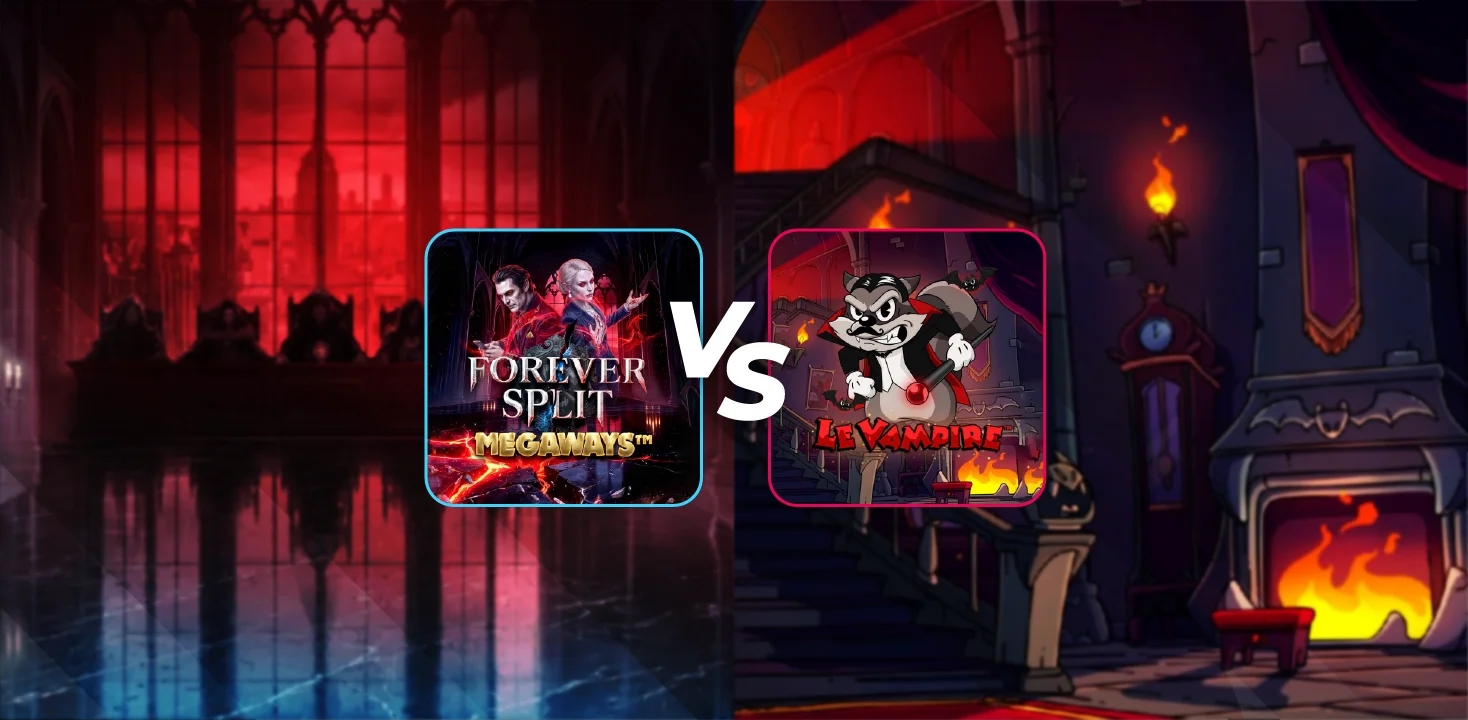
One slot drags an undead divorce through the Megaways courts, the other sends a fanged raccoon prowling through a haunted castle - and only one walks away with the crown.

Brazil bans betting, New Zealand opens its doors, and September's best slots reward the most patient.
You may also like

GamblersArea Goes To Montana - Big Sky Betting in Bars

GamblersArea New Mexico - Land of Enchantment Casinos

GamblersArea Nebraska - New Casinos on the Horizon


24Slots
Welcome Bonus
285% up to €500
50 Free Spins


Casino.Click
Welcome Bonus
Sweep Coins 20
Gold Coins 200k


Hit'N’Spin
Welcome Package
295% up to €800
200 Free Spins


VulkanSpiele
Welcome Package
300% up to €2,000
250 Free Spins

Slot Mafia
Welcome Package
350% bonus up to
€15,000
350 Free Spins


Jet4Bet
Welcome Package
300% bonus up to
€15,000
350 Free Spins
Faq
Is sports betting legal in Minnesota?
No. The 2026 session ended without a sports betting law, so no legal sportsbooks operate in the state.
Can I play at online casinos in Minnesota?
No. Real-money online casinos and online poker are not legal under current Minnesota law.
How many tribal casinos does Minnesota have?
Minnesota's 11 tribal nations run 20 casinos under 22 compacts with the state.