












Is Online Gambling Legal in the USA in 2026? A Friendly State-by-State Breakdown
Online gambling laws in the United States vary widely by state and in 2026, knowing what is legal where you live is essential before placing any bets online.
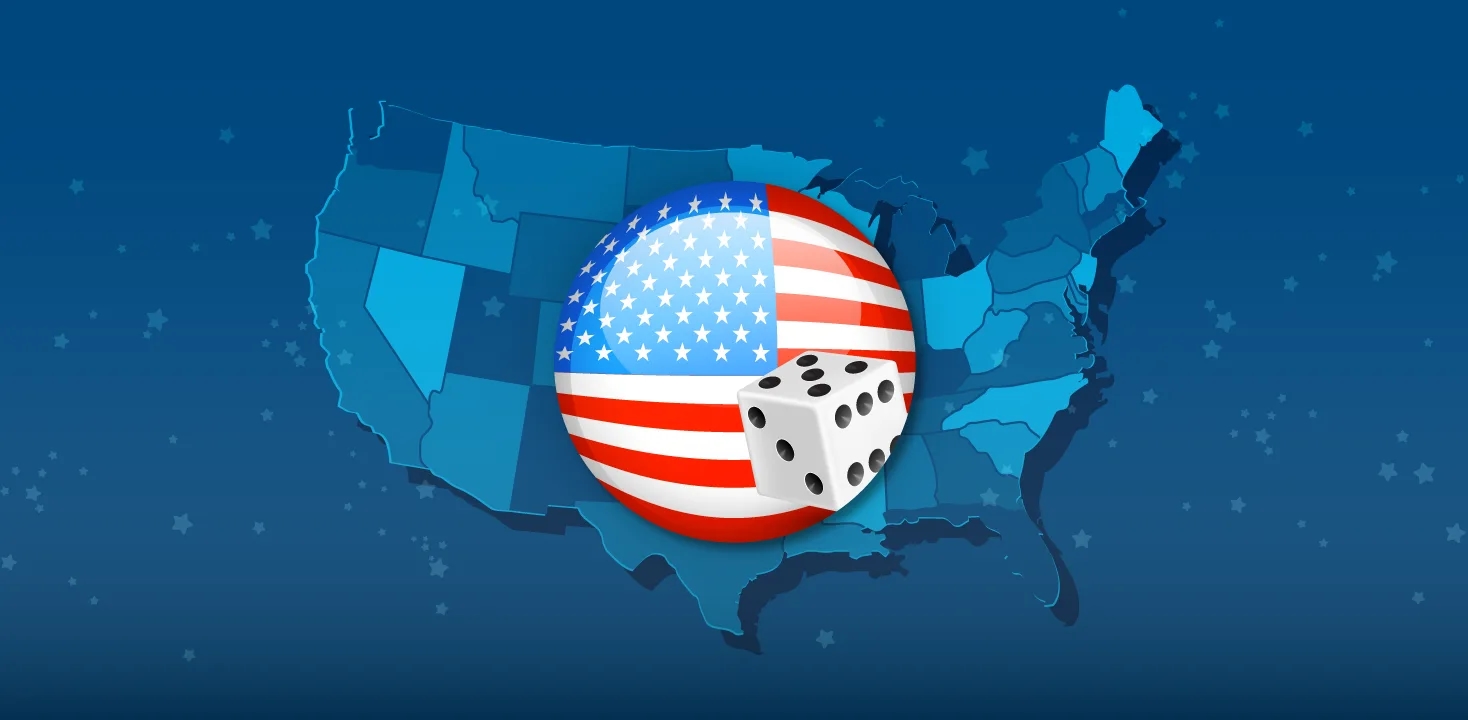
Online gambling in the United States remains a complex topic in 2026, largely because there is no single national law governing it. Instead, legality depends almost entirely on individual state laws, which vary widely across the country.
Some states have embraced online gambling as a regulated industry that generates tax revenue and consumer protections. Others continue to restrict or prohibit it due to political, cultural, or social concerns.
This article explains how online gambling works in the U.S. and provides a clear state-by-state breakdown, organized by how permissive each state is. Whether you are a casual player or simply curious, this guide is designed to be easy to understand and practical.
What Counts as Online Gambling in the United States
Online gambling refers to placing real-money wagers over the internet using licensed digital platforms. In the USA, this primarily includes online casinos, online sports betting and online poker.
- Online casinos are digital versions of traditional casinos where users can play games like online slots, blackjack, roulette, baccarat and live dealer games. These platforms use licensed software to ensure fairness, and players wager real money to potentially win cash prizes.
- Online sports betting allows users to place bets on professional or collegiate sporting events through mobile apps or websites. Bets can range from simple wagers on game outcomes to more complex bets on points, spreads, or player performance, and winnings are paid out in real money.
- Online poker is a card game played against other real players, rather than the house, over the internet. It is treated differently from other casino games because it often involves shared player pools across state lines.
It is important to note that free-to-play games, social casinos, and sweepstakes platforms usually fall outside traditional gambling laws. These platforms may still be legal in states where real-money online gambling is not.
|
Category: |
States |
Allowed: |
|
Fully Legal |
New Jersey, Pennsylvania, Michigan, Delaware, Connecticut, Rhode Island, West Virginia (online poker prohibited) |
Online casinos, online sports betting, online poker; fully licensed and regulated |
|
Partially Legal |
New York, Illinois, Ohio, Arizona, Virginia, Indiana, Iowa, Kansas, Kentucky, Louisiana, Maryland, Massachusetts, Tennessee, Colorado, Florida, Maine, Oregon, Montana, Nevada, New Hampshire, Washington D.C., Minnesota, Missouri, Wyoming, Mississippi, North Carolina, Vermont, South Dakota, North Dakota, Arkansas, Wisconsin, New Mexico |
Online sports betting only; some states use tribal partnerships or state-run platforms; online casinos and poker are prohibited |
|
Banned Completely |
Utah, Hawaii, Alabama, Alaska, Georgia, South Carolina, Texas, Idaho, Oklahoma, California |
No online gambling allowed; some may allow lotteries or charitable gaming |
Federal Law and Why States Make the Rules
There is no federal law that universally legalizes or bans online gambling for players. Instead, federal laws focus on interstate commerce and financial transactions.
The Unlawful Internet Gambling Enforcement Act (UIGEA) restricts banks and payment processors from supporting illegal gambling activities. However, it does not criminalize online gambling itself when conducted legally under state law.
Because gambling has historically been considered a states’ rights issue, each state decides what forms of online gambling it allows. This leads to a patchwork system where laws can change dramatically from one border to the next.
As a result, your physical location matters more than the operator’s location. Legal platforms use geolocation technology to ensure compliance with state boundaries.

Why States Control Online Gambling
States control online gambling because gambling has traditionally been viewed as a states’ rights issue. Each state decides what forms of gambling align with its political, economic, and cultural priorities.
This system explains why neighboring states can have completely different rules. It also means laws can change quickly through legislation or voter referendums.
The Impact of the 2018 Supreme Court Decision
In 2018, the Supreme Court overturned a federal ban on sports betting. This ruling allowed states to legalize online sports betting if they chose to do so.
While the ruling did not directly legalize online casinos or poker, it sparked a wider conversation about digital gambling. Many states began exploring broader online gambling frameworks afterward.
States Where Online Gambling Is Fully Legal
A small but growing group of states allows online casinos, online sports betting, and online poker under comprehensive regulatory frameworks. These states represent the most complete online gambling markets in the country in 2026 that have changed the course of USA gambling history.
These states typically require operators to meet strict licensing standards. Consumer protections such as identity verification, responsible gambling tools, and dispute resolution are mandatory.
Tax revenue from online gambling supports public programs, infrastructure, or education in many of these states. This financial incentive has helped sustain long-term political support.
Players in these states can legally wager on licensed platforms while benefiting from consumer protections. Below are the states that meet this standard in 2026.
New Jersey
New Jersey is widely considered the leader in U.S. online gambling. The state allows online casinos, online sports betting, and online poker.
Its regulatory system is mature, competitive, and tightly monitored. Players must be physically inside state borders to participate.
Pennsylvania
Pennsylvania operates one of the largest online gambling markets in the country. It offers online casinos, online sports betting, and online poker through state-approved operators.
The state generates significant tax revenue from online gambling. Strict licensing rules help protect players and ensure fairness.
Michigan
Michigan legalized online gambling in 2021 and has since built a strong digital market. Residents can access online casinos, online sports betting, and online poker.
Tribal and commercial operators both participate under state regulation. Mobile access has driven widespread adoption.
Connecticut
In Connecticut, online gambling is fully legal in 2026 but only through state-licensed platforms operated by the two tribal nations in partnership with major brands, covering online casinos, online sports betting, and online poker.
Players must be physically in the state and unlicensed or offshore sites are illegal and actively blocked by regulators. The state focuses heavily on responsible gambling tools. Only a small number of operators are licensed.
Delaware
Delaware was one of the first states to offer legal online casino gaming. It allows online casinos, online sports betting, and online poker.
The state runs its online gambling platforms directly or through approved partners. The market is smaller but fully regulated.
West Virginia
West Virginia permits online casinos and online sports betting. Online poker remains limited but is legally possible.
The state legalized online gambling to offset declining revenue from other industries. Regulation is handled by the West Virginia Lottery.
Rhode Island
Rhode Island offers online casinos and online sports betting through a state-controlled system. The market is compact but fully legal.
The state prioritizes revenue generation over market competition. Players must register through approved platforms.


States Where Only Online Sports Betting Is Legal
https://gamblersarea.com/news/igaming/gamblersarea-iowaThe most common legal framework in 2026 allows online sports betting only, while banning online casinos and poker. Many states view sports betting as more acceptable and easier to regulate.
32 states, including New York, Illinois, Ohio, Arizona, Virginia, Indiana, Iowa, Kansas, Kentucky, Louisiana, Maryland, Massachusetts, Tennessee and Colorado follow this model. In these states, players can place wagers on sports but not play online slots or table games.
Nevada is an exception because it allows playing online poker as well as sports betting. While all other online gambling activities are forbidden, these two are legal.
 Most of these states allow mobile registration and betting, meaning users do not need to visit a physical casino. However, all betting must occur within state lines.
Sports betting markets are often highly competitive, with multiple licensed operators. States frequently impose advertising rules and responsible gambling requirements.
Despite strong revenues, many of these states remain hesitant to legalize online casinos. Concerns often include addiction risks and potential competition with land-based casinos.
States With Limited or Conditional Online Gambling In USA
Some states allow online gambling only under very specific conditions. These conditions often involve tribal gaming agreements, court rulings, or narrowly written laws.
- Florida allows limited online sports betting through tribal partnerships, though legal challenges continue to shape access. Online casinos and poker remain prohibited.
- Maine permits online sports betting but relies heavily on tribal involvement for market structure, while expansion into online casinos has been discussed but not enacted yet.
- Oregon and Montana offer state-controlled or lottery-based online sports wagering. These platforms are more restrictive than commercial sportsbook models.
In these states, availability may be limited to a single operator or platform. Players should carefully review state rules before assuming access is legal.
States Where Online Gambling Is Illegal
Several states prohibit all forms of online gambling, including online casinos, online sports betting, and online poker. Enforcement focuses on operators, but players accessing unlicensed platforms also face legal risks.
Utah and Hawaii ban all gambling entirely, including state lotteries, making online gambling completely illegal. These bans are rooted in cultural, religious, and political reasons, and legal change is highly unlikely.
Other restrictive states include Alabama, Alaska, Georgia, South Carolina, and Texas, which may allow limited charitable gaming or in-person lotteries but do not permit online gambling. These states have resisted reform, and online casino or poker markets are not legally available.
Players in these states must be especially careful to avoid unlicensed offshore sites, as these carry both legal and financial risks. The illegal status also means there are no consumer protections or responsible gambling measures for online play.

Legal Alternative - Sweepstakes Casinos And Social Gambling
Sweepstakes casinos are online platforms that simulate casino games like slots, blackjack, and roulette using a sweepstakes model instead of real-money wagering. Players can purchase virtual currency packages, which then come with bonus entries or “sweepstakes coins” that can be redeemed for cash prizes.
These platforms exploit a legal loophole: technically, you are not gambling with money on the game itself, because the outcome is determined by the sweepstakes entry, which has a chance to be redeemed. This allows them to operate in many states where real-money online gambling is illegal, including places like Texas, Florida, and Georgia.
The legality and availability of sweepstakes websites where you can play social casino games vary by state. Some states have passed laws or issued regulatory guidance restricting or banning them, while others permit them under consumer-protection rules.
While sweepstakes casinos can be entertaining, players should be aware that they don’t offer the same protections or licensing oversight as regulated online casinos. There is also a risk of high spending due to the purchasing of virtual currency, which functions like real money in practice.
In 2026, sweepstakes casinos remain the most common way for residents in banned or partially legal states to access casino-style games online. States like California, Alabama, and Hawaii allow these platforms in some form, but operators must carefully structure their games to comply with the sweepstakes model.
Why Online Casinos Face More Resistance
Online casinos generate continuous play, which raises concerns about problem gambling. Lawmakers often fear higher social costs compared to sports betting.
Land-based casino operators may also resist online expansion. They worry about cannibalizing in-person revenue.
Despite these concerns, states with legal online casinos report strong tax income. Consumer protections are also easier to enforce in regulated markets.
As budgets tighten, more states may reconsider their stance. Online casinos remain one of the biggest potential expansions in U.S. gambling law.
Responsible Gambling and Player Protections
Legal online gambling states require operators to implement responsible gambling measures. These include self-exclusion programs, deposit limits and reality checks.
Players must verify their age and identity before wagering. This helps prevent underage gambling and fraud.
Regulated platforms also provide clear dispute resolution processes. This is a key advantage over offshore gambling sites.
States increasingly emphasize education and support services. Responsible gambling has become central to legalization arguments.
What the Future Looks Like Beyond 2026
Momentum for online gambling expansion continues, but progress remains uneven. Each state moves at its own pace.
Economic pressure, consumer demand, and technological improvements will drive future changes. Political opposition will continue to slow adoption in some regions.
Online sports betting is likely to expand further before online casinos. Poker growth will depend on interstate cooperation.
In 2026, online gambling legality in the United States is entirely state-dependent. What is legal in one state may be illegal just miles away.
Players should always verify state laws and use licensed platforms only. Knowledge is the best tool for staying safe and compliant.
Latest news

Washington mixes a strong tribal casino scene with some of America’s toughest online gambling rules.

Paperclip heads for open water, Pragmatic summons gods, frogs and witches, while Hacksaw brings a raccoon and a pair of fists to the party.

One brings the barbecue. The other brings an armed duck uprising. Only one leaves with the Slot Wars trophy.

From Derby tradition to HHR halls and mobile sportsbooks, Kentucky’s gambling market plays by its own rules.
You may also like

Comparing iGaming Business in the US and Europe

How Popular is Online Gambling in The UK?

Finland - Unique Online Gambling Hub


Ivybet
Welcome Package
255% up to €1,500
250 Free Spins


24Slots
Welcome Bonus
285% up to €500
50 Free Spins


Betrophy
Welcome Bonus
220% up to €500
25 Free Spins


WikiLuck
Welcome Bonus
220% up to €500
25 Free Spins


Starzino
Welcome Package
150% up to €1,500
150 Free Spins


Wildsino
Welcome Bonus
125% up to €450
300 Free Spins
Faq
Is online gambling legal everywhere in the United States?
No, online gambling is not legal nationwide, and its legality depends entirely on state law. In 2026, some states allow online casinos, sports betting, and poker, others allow only online sports betting, and several states ban online gambling completely.
Can I legally play at an online casino if I use a site based outside my state?
No, legality is determined by where the player is physically located, not where the website is based. Even if a site operates legally in another state or country, using it from a state where online gambling is illegal can violate state law.
Why do some states allow online sports betting but not online casinos?
Many states view sports betting as easier to regulate and less risky than online casino games, which allow continuous play. Lawmakers often legalize sports betting first and take a more cautious approach toward expanding into full online casino gaming.